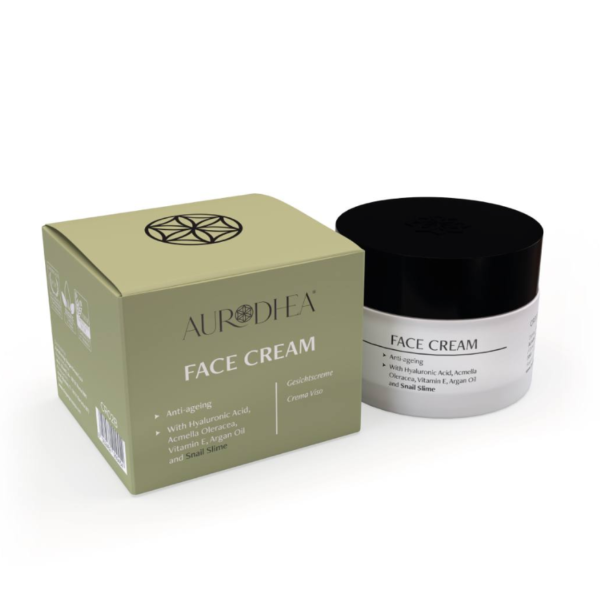
Do you know which Chogan face cream is best for your skin?
Beautiful and healthy skin starts with one important step – understanding your skin type and skin condition. Many people use products at random, not knowing that each skin type has completely different needs. The result can be dryness, oiliness, irritation, enlarged pores, or even premature aging.
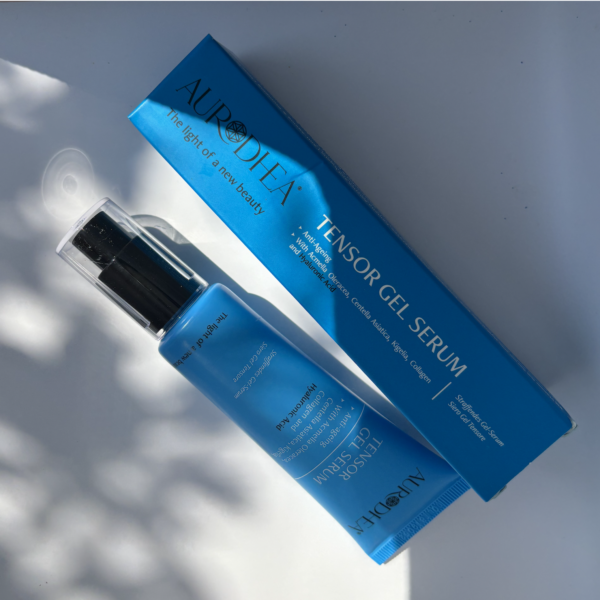
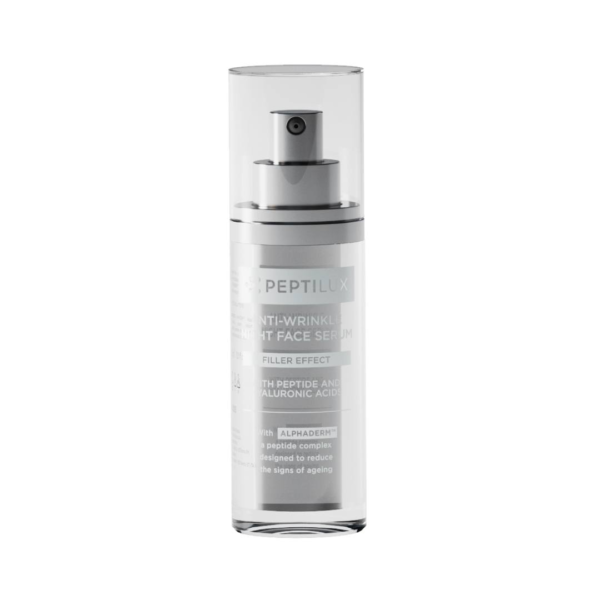
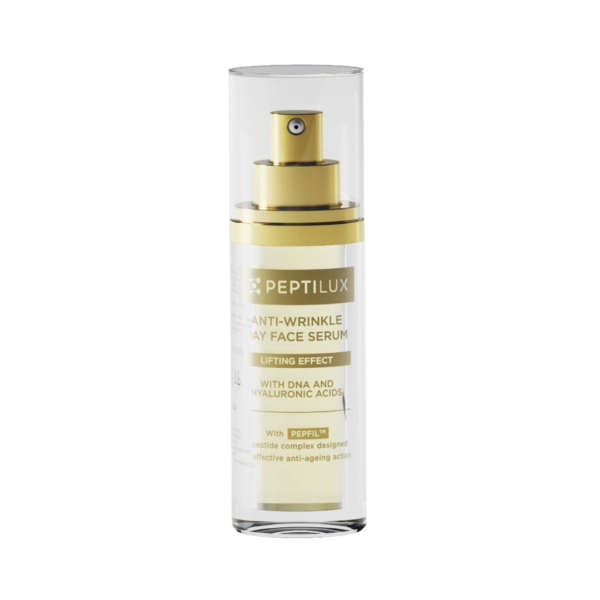
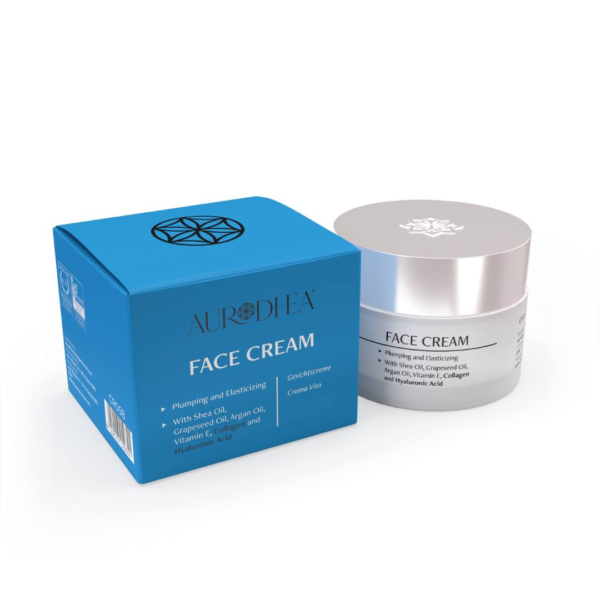
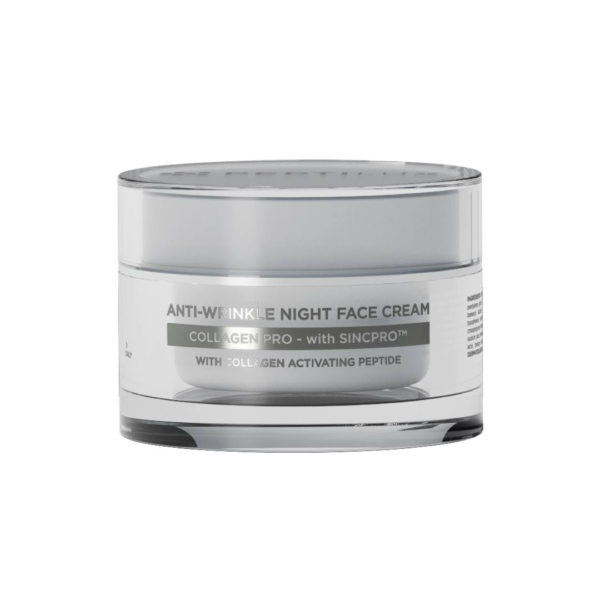
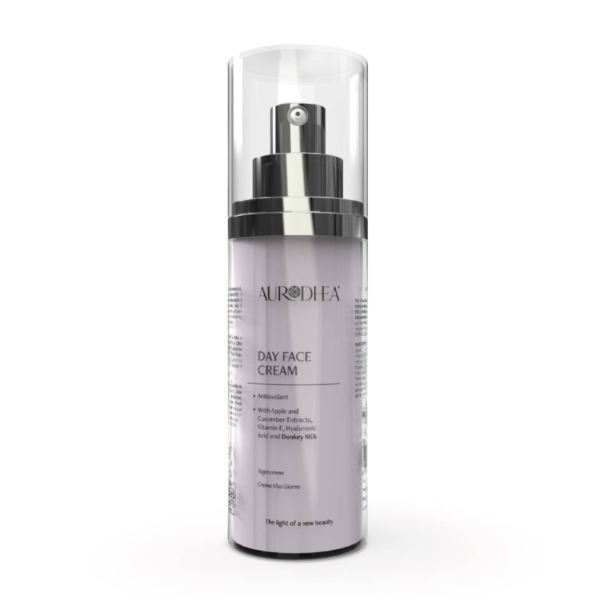
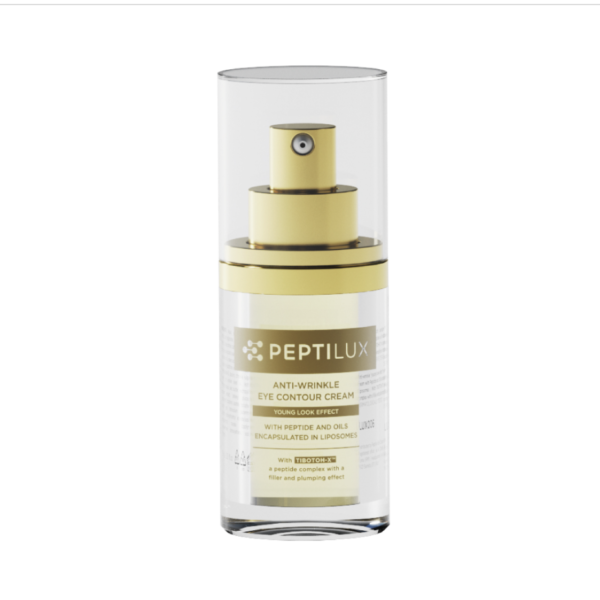
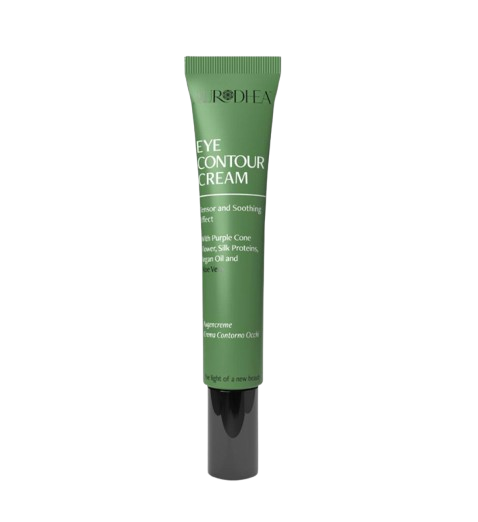
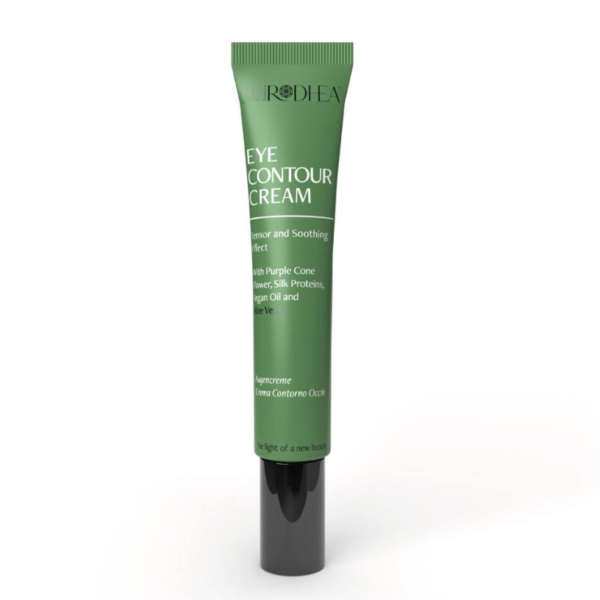
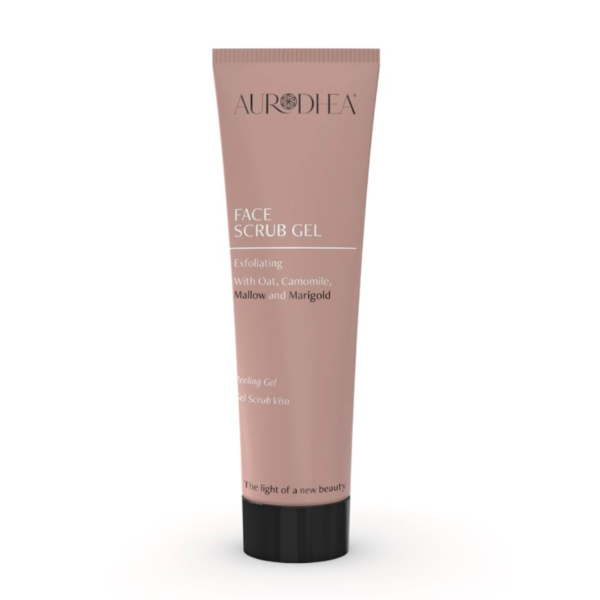
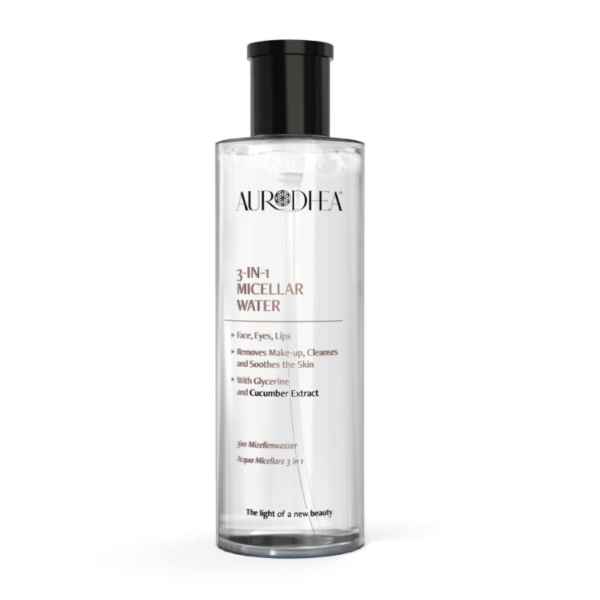
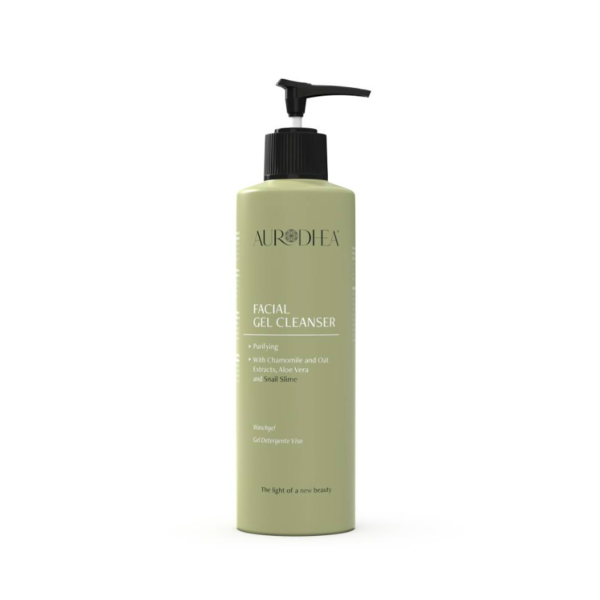
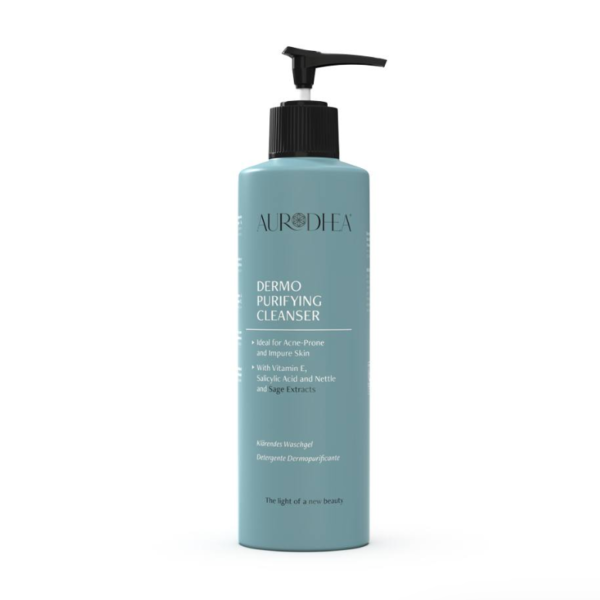
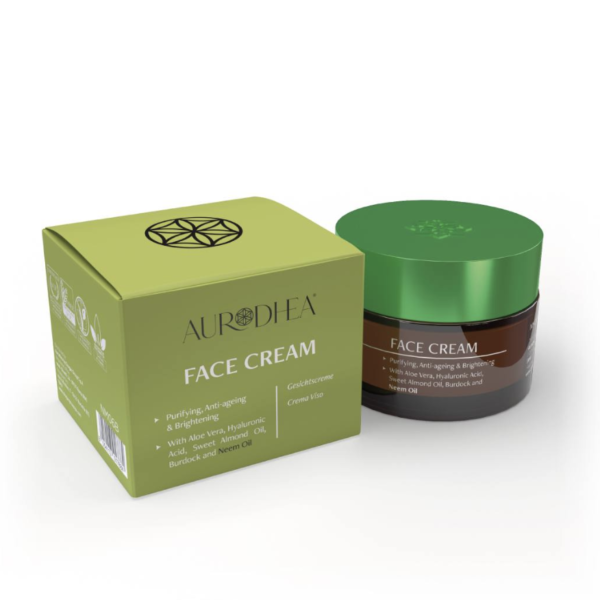
In this guide, we will look at the main skin types and conditions, as well as the most suitable Aurodhea, Lolum, Peptilux and Chogan skin care products and skin care routine for each skin type.
Why is it important to determine your skin type?
Skin type determines:
which cleansers to choose;
how much moisturizing is needed;
which serums to use;
how often to exfoliate;
which masks will be most effective.
Incorrectly chosen skin care often causes more problems than it solves.
What facial care products are suitable for normal skin?
Normal skin is considered the ideal skin type. It is elastic, smooth, with fine pores and an even tone.
Your skin is fine-pored, elastic and free of blemishes? You can consider yourself very lucky because your skin belongs to the select group of normal skin types. What does this mean? It is clear that your skin’s protective layer is in a happy balance, and therefore your daily beauty care is quite simple.
Normal skin is less prone to blemishes. It does not react so quickly to external and internal disturbances and is not very demanding. But unfortunately, it is not a free pass… Dry air in warm rooms or incorrect care habits can still stress even normal facial skin.
Unwanted stress acne or a pale complexion can cause a bad mood early in the morning. Even if you have normal skin, you should pay attention to what products you use in your beauty routine. And, to be honest, it is a little more than just a day cream. Normal skin, like all other skin types, needs finely tuned beauty care to keep your skin as happy as it is now for a long time to come!
What facial care products are suitable for dry skin?
Daily care for dry and sensitive skin is a challenge, especially in extreme temperatures, i.e. winter and summer. Because people with this skin type, which is unfortunately becoming more and more common, are very concerned about the condition of their skin.
Dry skin requires particularly gentle care that does not dry out the skin and provides particularly long-lasting hydration. Therefore, your daily beauty routine should focus on two main areas of soothing and protecting the skin.
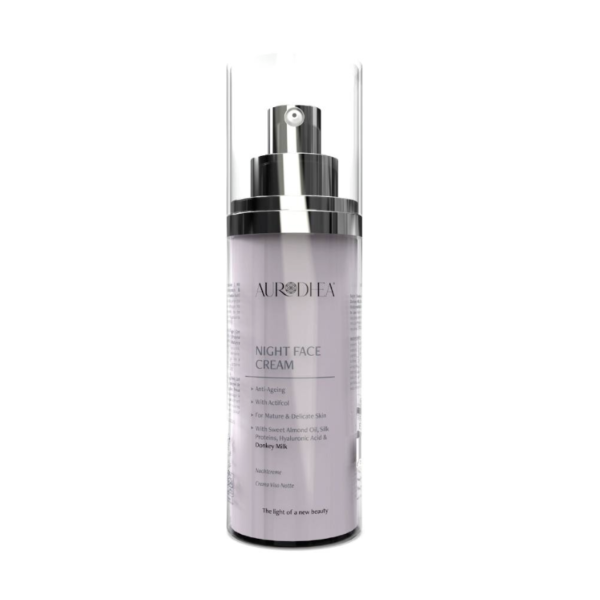
Facial care products for dry and demanding skin have the task of supporting or forming a protective layer of the skin and relieving any feelings of tension. Your day cream should replenish the skin in the morning with hyaluronic acid. Premature (dry) wrinkles can also be an unwanted consequence of dry and sensitive skin.
Dry skin lacks both moisture and natural lipids. It often feels tight and tends to peel.
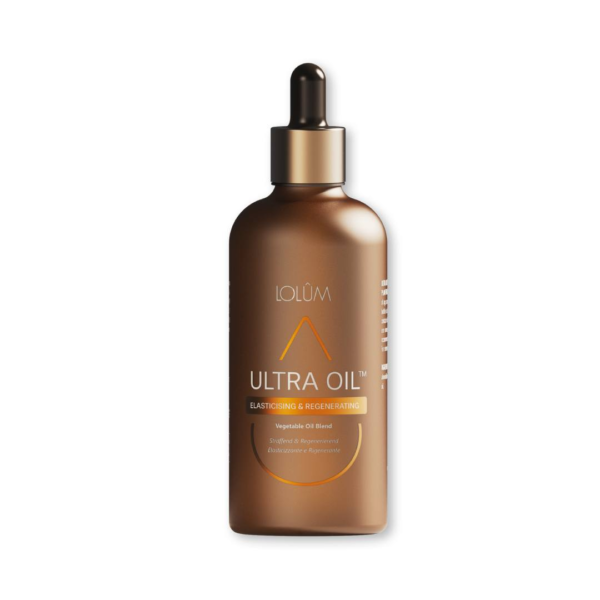
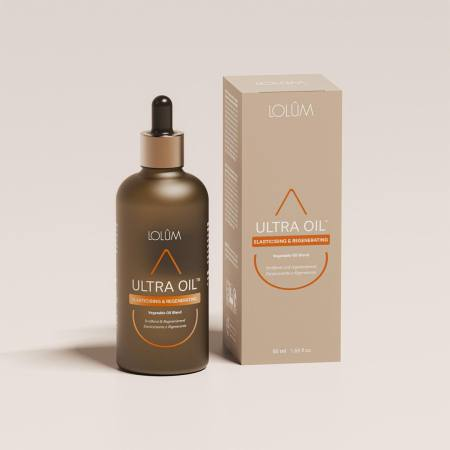
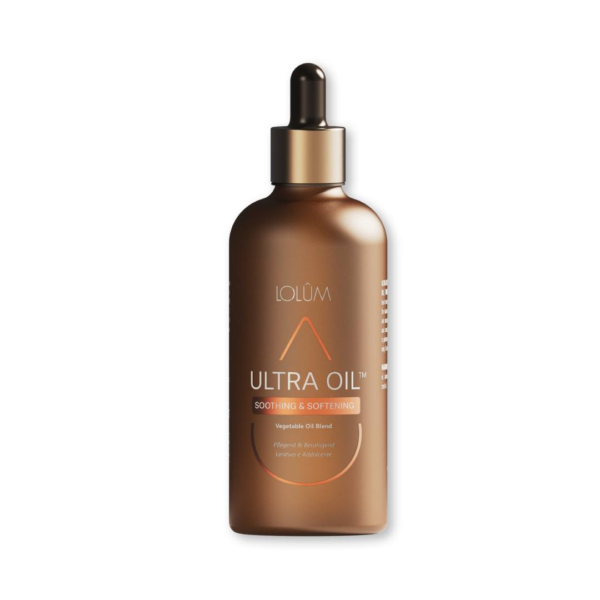
Nourishment and hydration are necessary. Care can be enriched with Lolum oils.
What facial care products are suitable for oily skin?
Large pores, a greasy film on the forehead, nose and chin, as well as blackheads and pimples characterize oily skin. Oily skin quickly becomes oily, even when the face has just been washed. The large pores of oily skin also create an uneven texture.
Oily skin appears dull and pale at the same time, because blood circulation is slower, and oily skin is also thicker than normal skin. The scalp, face, sometimes chest and upper back are most often oily. These are areas of the body that are usually visible to others. Therefore, people with oily skin tend to hide oily and shiny areas, as well as blackheads and pimples, by using a lot of decorative cosmetics, powder or concealer. However, there is a risk that the pores will become even more clogged.
Owners of the oily skin type secrete too much sebum from the pores, namely the sebaceous glands. Not only does this create a shiny appearance, but in many cases, the overproduction of sebum leads to skin inflammation. The body’s own bacteria can colonize around the pores. Microorganisms break down sebum, forming free fatty acids. These in turn cause inflammation, which manifests as blackheads and acne.
Oily skin produces excessive sebum, which causes shine and enlarged pores.
Characteristics:
What facial care products are suitable for combination skin?
Caring for typical combination skin is often like walking a tightrope: while oily skin areas need pore-clearing care, “normal” skin areas benefit from a light moisturizer that provides sufficient skin protection. If the skin on your cheeks is very dry and flaky, it should be given a rich care. That’s why your beauty routine is a little more complicated: it has to meet two skin needs at the same time.
In combination skin, the sebaceous glands are overactive, especially in the T-zone (forehead, nose, chin). The cheeks, temples and eyes consist of normal to dry skin areas. Typical combination skin has enlarged pores (mainly in the T-zone). At the same time, the skin on your cheeks and flanks can be normal to dry (with characteristic features such as tightness, redness and irritation).
Combination skin is one of the most common skin types.
Typically:
The T-zone is oily; The cheeks are normal or dry.
Characteristics:
Shine on the forehead, nose and chin;
Dryness on the cheeks;
Different skin reactions in different areas of the face.
Moisturizing is very important for combination skin! A “glass” skin routine is recommended.
What facial care products are suitable for impure skin with acne?
The basis of dirty skin is overactive sebum and sweat glands. As a result, this predominantly oily skin has a shine and is prone to skin imperfections. Even if, with all the skin stress, it is tempting to use aggressive care products that contain a lot of alcohol, one wise beauty rule should be followed: “Cleanse, but don’t overdo it!”
Increased sebum production can clog the (already enlarged) skin pores and thus lead to increased bacterial growth. These eventually create new impurities – and the cycle starts all over again… What was once considered almost exclusively a typical teenage problem has unfortunately become widespread in recent years, even after the age of 30: more and more adults suffer from so-called “late-onset acne”.
Possible causes include hormonal changes (e.g. due to various contraceptives, pregnancy, childbirth, menopause, etc.), external environmental factors and stress, as well as some other reasons.
Impure skin is caused by excessive sebum production and clogged pores.
Characteristics:
acne;
inflammation;
blackheads;
enlarged pores.
Adult acne or “late acne” is becoming increasingly common after the age of 30.
Possible causes:
For impure skin, it is important to use purifying masks and peels
A recommended “glass” skin routine
What facial care products are suitable for sensitive and irritated skin?
Anyone who complains of sensitive skin on the face or body or even suffers from neurodermatitis should be particularly careful when choosing products and beauty treatments for their care program. However, itching, skin inflammation, redness, blistering or open and flaky skin areas can be signs of an allergic reaction: In this case, you should consult a dermatologist. Basically, the following applies to this skin type: less is more!
The most important thing is to protect the skin from drying out and support the natural regeneration of the skin’s protective barrier. A damaged barrier means that allergens can penetrate the skin and cause reactions. Skin that is unbalanced hardly tolerates conventional care products and reacts particularly strongly to certain emulsifiers, fragrance oils, dyes or common preservatives. Therefore, irritants should be completely avoided in skin care. Skin care products with small but effective ingredients that support the skin’s lipid barrier and thus strengthen the skin’s protective function are a step in the right direction.
Sensitive skin reacts to various external factors much more strongly than other skin types.
For SOS care, you can use Aurodhea Ichthyol ointment 9.8% or “sulfur ointment” to reduce inflammation and irritation
If possible, skin care products containing a lot of alcohol should be used less often
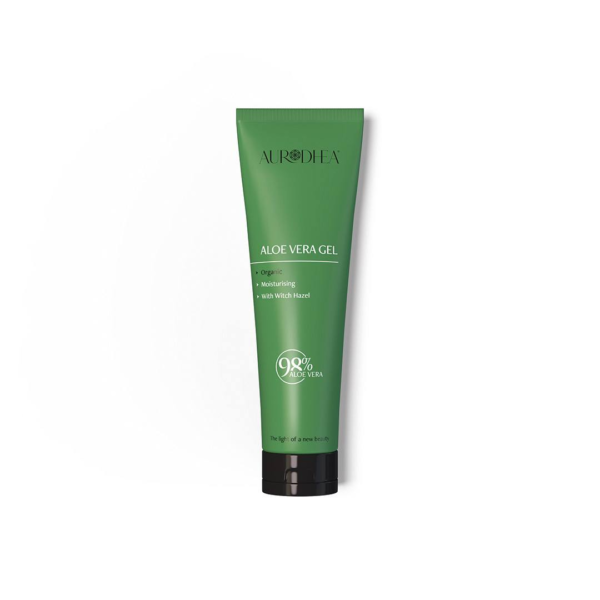
Consume aloe vera juice and fruits
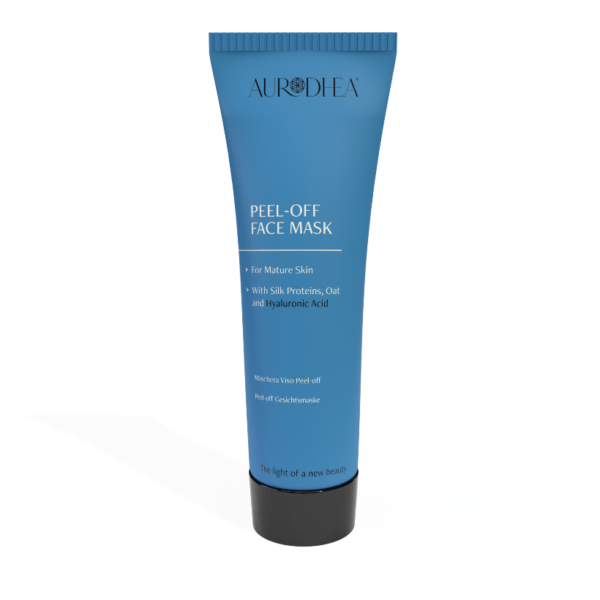
What facial care products are suitable for mature skin (45+)?
Mature skin over 45 has reduced elasticity and support, lack of elasticity and dryness due to reduced sebum production.
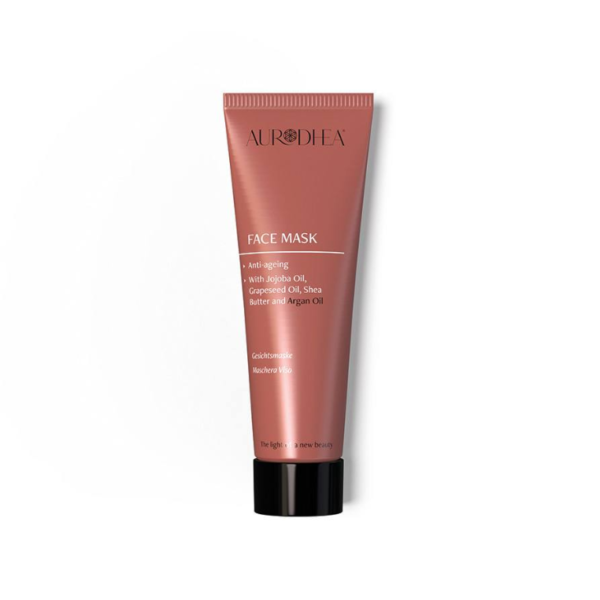
Mature skin care products should contain moisturizing and emollient ingredients. Ingredients such as shea butter, ceramides, grape seed oil, evening primrose oil and dexpanthenol strengthen the natural skin barrier and balance the water balance of mature skin.
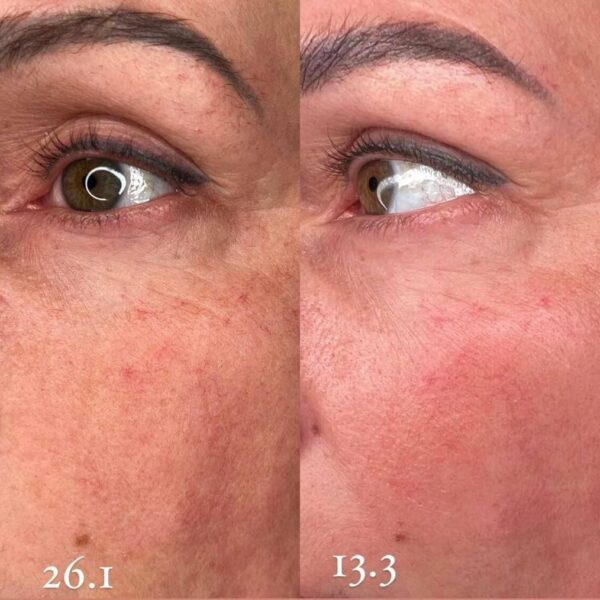
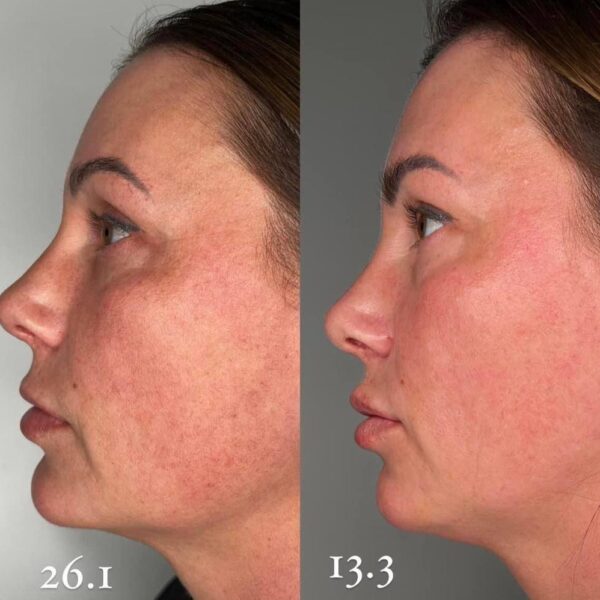
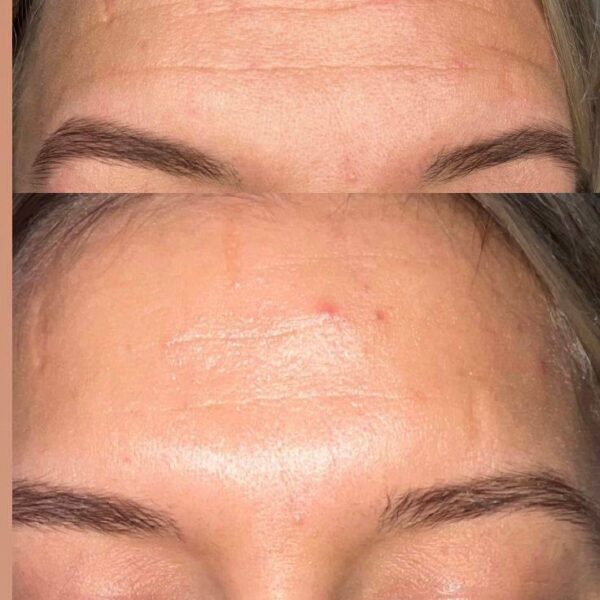
Expression wrinkles are usually clearly visible from around the age of 45, nasolabial folds also become more noticeable, as connective tissue loses strength with age and pigment spots also appear more often on the face. With age, sebum production decreases, and therefore mature skin is more prone to dryness. The background is that the production of moisturizing substances decreases, and with daily care the skin needs to be added more and more hydration.
After the age of 45, the skin loses elasticity, becomes drier and collagen synthesis decreases.
Characteristic signs:
wrinkles;
reduced elasticity;
pigmentation spots;
dryness;
dullness.
Key ingredients
ceramides;
grape seed oil;
dexpanthenol;
shea butter;
antioxidants.
The main task is to provide intensive hydration and support the skin’s protective barrier.
Regular peels and masks that have a cell-regenerating effect
What facial care products are suitable for young skin (12-18 years old)?
We consider young skin to be someone between the ages of 12 and 18. Young skin is particularly characterized by an even, supple complexion and the ability to regenerate quickly. Basically, all four skin types can occur in young skin. And all skin types actually have something to do with puberty and hormonal changes in the body.
Despite balanced sebum production and an ideal moisture balance, your skin can be prone to oily shine and acne during puberty. Your skin now needs gentle products that still cleanse thoroughly.
Hormonal changes can throw your skin off balance during puberty, as your sebaceous glands are controlled by hormones. While this may be of little comfort: 85% of all teenagers struggle with spots on their face, back, shoulders and chest during puberty. And for most people, this skin condition will eventually go away. So there’s no reason to despair, there are some really good tips you can use to support your skin during this time.
During puberty, hormonal changes significantly affect the skin.
Approximately 85% of teenagers experience:
acne;
blackheads;
oily shine.
The most important thing is:
gentle cleansing;
regular moisturizing;
avoiding excessively aggressive products.
Chogan Skincare Routine for Young Skin (12-18 years)
Skin care products that contain a lot of alcohol should be used as rarely as possible
Perfect skin care doesn’t depend on age or popular products – it starts with correctly identifying your skin type. Whether you have dry, oily, sensitive, mature or combination skin, the right routine will help keep your skin healthy, radiant and balanced in the long term.
Choosing products according to your skin type and following a regular care routine can achieve significantly better results than using random products.